Bakersfield highlight
Major oil production
The Kern River Oil Field, discovered in 1899, has produced nearly 2 billion barrels and remains the third-largest oil field in California.
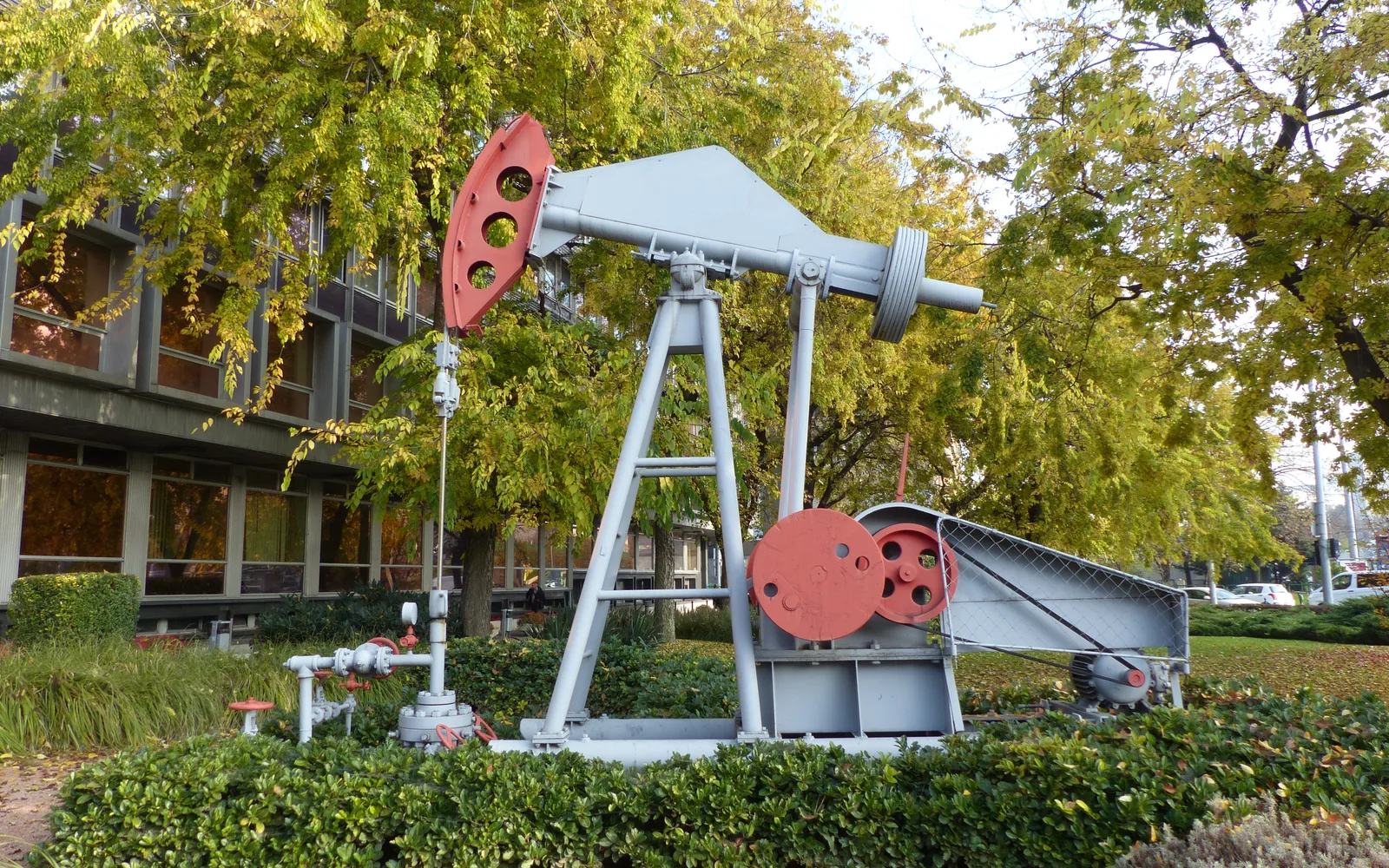
Oil was discovered at the Kern River Oil Field on June 1, 1899, when Tom Means and others dug exploratory wells in the area. The field developed into one of California's most significant petroleum resources, with nearly 2 billion barrels produced cumulatively and approximately 476 million barrels in remaining reserves as of recent counts. The field contains over 9,000 active producing wells and represents roughly 15 percent of California's total oil reserves.
The Kern River field pioneered advanced extraction techniques over the decades. In the 1960s, companies like Tidewater Petroleum developed steam flooding methods that made previously unrecoverable reserves economically viable, dramatically extending the field's productive life. Environmental practices also evolved significantly: the field transitioned from direct wastewater drainage into local streams during early operations to comprehensive treatment in dedicated facilities by the 1960s and 1970s, with treated water subsequently used for agricultural irrigation throughout the San Joaquin Valley.
Oil work is demanding and carried risk—whether from equipment, the weather, or simply the unpredictability of the industry itself. The families employed in energy production need the same protection as any working household: coverage that would replace lost income if something unexpected happened, allowing them to keep the life they have built.